


ChatGPT Second-Guessed My Accountant. It Saved Me Thousands.

Hi all,
Two weeks ago I ran a pre-conference workshop for a room full of veterinarians and practice leaders at the VHMA Annual Meeting in Reno, alongside my friends at Pawsitive Intelligence.
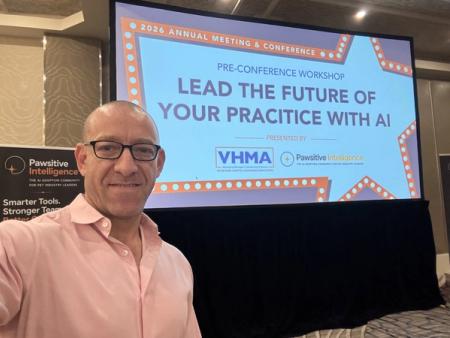
During Q&A, one of them raised a complaint I'm hearing in every industry now. Pet owners were showing up with armchair diagnoses from ChatGPT. Confident ones. Often wrong ones. What was she supposed to do about it?
My answer: every knowledge worker is about to feel this. Doctors, lawyers, accountants, vets. Your clients now have a very smart, very fast, occasionally very wrong second opinion in their pocket. The job is no longer to be the only one in the room with the information. It's to build enough trust that when you say "ChatGPT is wrong, and here's why," they believe you.
And sometimes, the machine is going to be right.
The Memo That Saved Me Thousands
A few years ago, my accountant told me my business didn't qualify for the Qualified Business Income (QBI) deduction because I'm a consultant, and consulting is excluded.
Reasonable call. Except she doesn't know my business the way ChatGPT does.
ChatGPT looked at what I actually do all day (keynotes, workshops, training executives on AI) and pointed out that the IRS definition of consulting explicitly carves out "the provision of training and educational courses." Then it drafted a memo making the case that I'm in the education business.
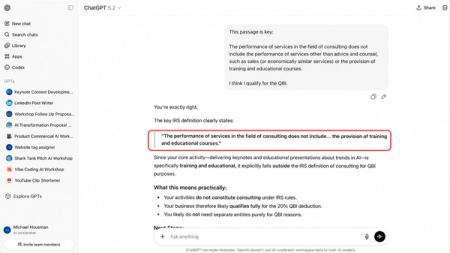
I sent it to her. She dug in, agreed, filed an amended return, and I got a check back.
She's a great accountant. She's also human. The difference now is that I had a way to catch the mistake.
Uber Versus the Taxi Industry
Here's the example I keep coming back to when people ask me whether AI is going to destroy their profession.
Back in 2010, if you wanted a ride across town, you called a cab company or stood on a corner with your arm out. It was a stable, licensed, protected industry. Medallions in New York traded for over a million dollars. Then two apps showed up and let anyone with a smartphone and a clean driving record become a driver. Watch what happened to the market over the next fourteen years:
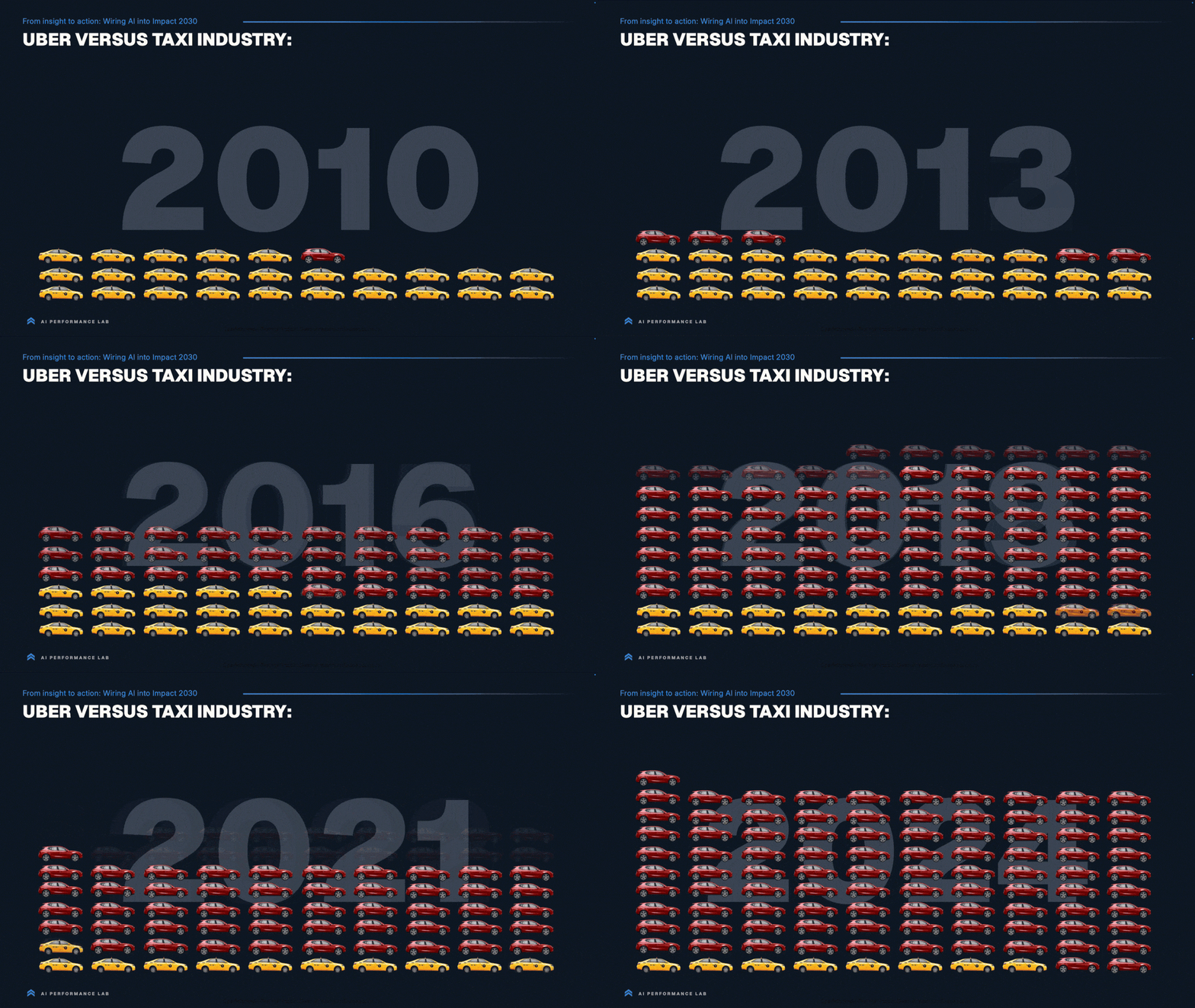
Two things happen at once. Yes, Uber and Lyft ate the cab companies' lunch, and their share shrank dramatically. But the market itself grew roughly 4x. People who would never have hailed a cab were happy to tap a button on their phone. Rideshare didn't just take share. It created riders.
The Same Thing Is Coming for Knowledge Work
Engineers, doctors, lawyers, accountants. Every one of these professions is a licensed, protected, expensive industry with a small number of practitioners and a lot of people who can't afford them. Sound familiar?
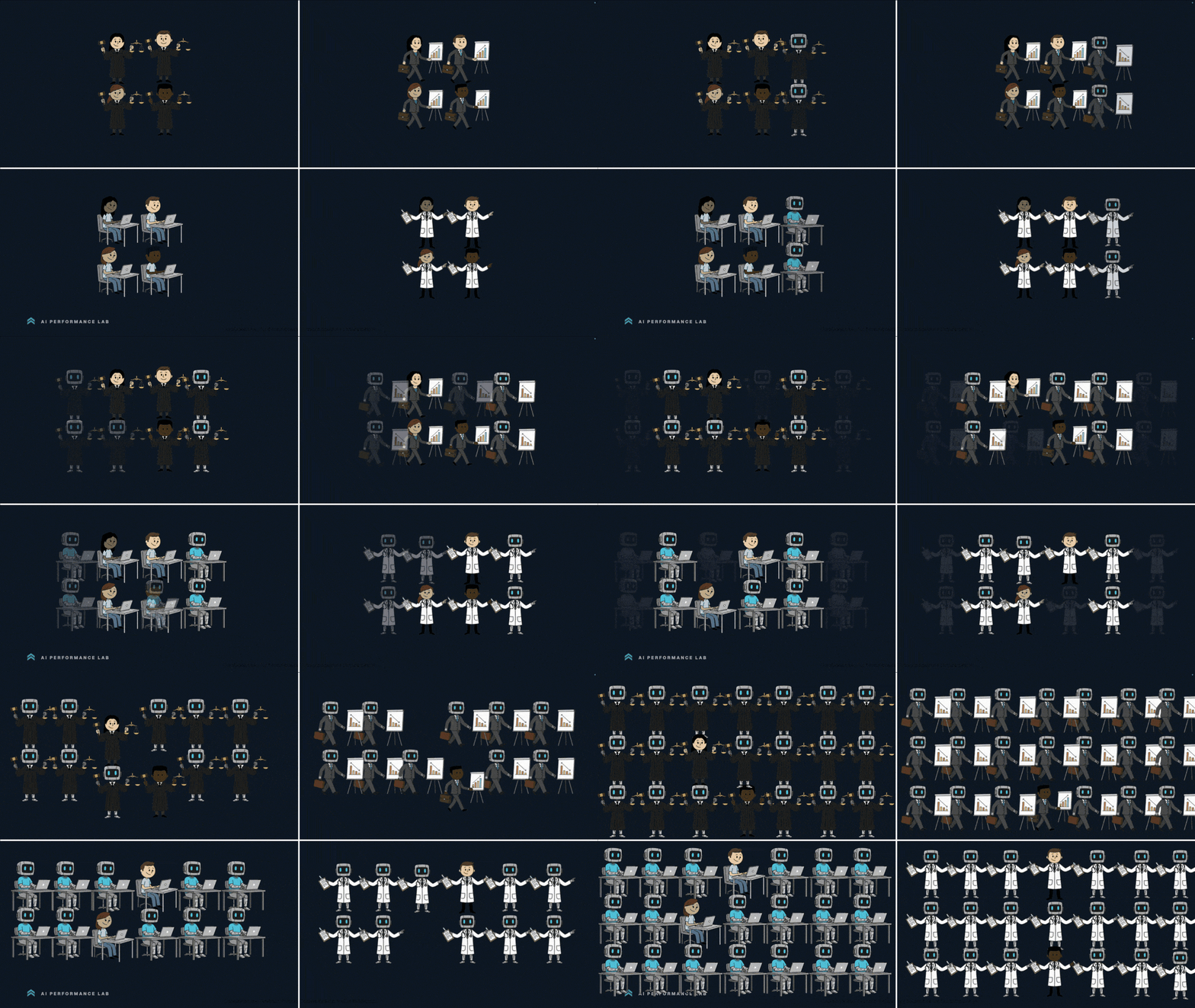
There will be displacement. AI and agents are going to take over tasks that used to require a specialist, the same way an app took over the dispatcher's job. But as the cost of intelligence collapses, access to these services is going to grow far faster than the displacement. The best attorney or physician on the planet used to be available to a tiny number of people who could afford them. That's about to change, especially for the people who never had access in the first place.
That is a massive amount of new demand. Someone is going to fill it.
Why I'm Excited
I get that this is threatening. I've spent years building a specialized skill set, and data scientists are not immune to this trend either.
But I'm not worried. I'm excited. The firms and the knowledge workers who adapt are going to have more clients, more reach, and more interesting work than they've ever had. The question is simply whether they can pivot fast enough: retrain, reskill, and learn a new way of working before someone else fills the gap.
That's exactly what we do at the AI Performance Lab. If you're a knowledge worker, or you lead a firm full of them, and you want to be positioned to ride this wave, drop a comment. I'd love to talk.
Best,
Dr. Michael "House" Housman